PHOTO
INDI electorate voters have 10 candidates vying for their support in this federal election.
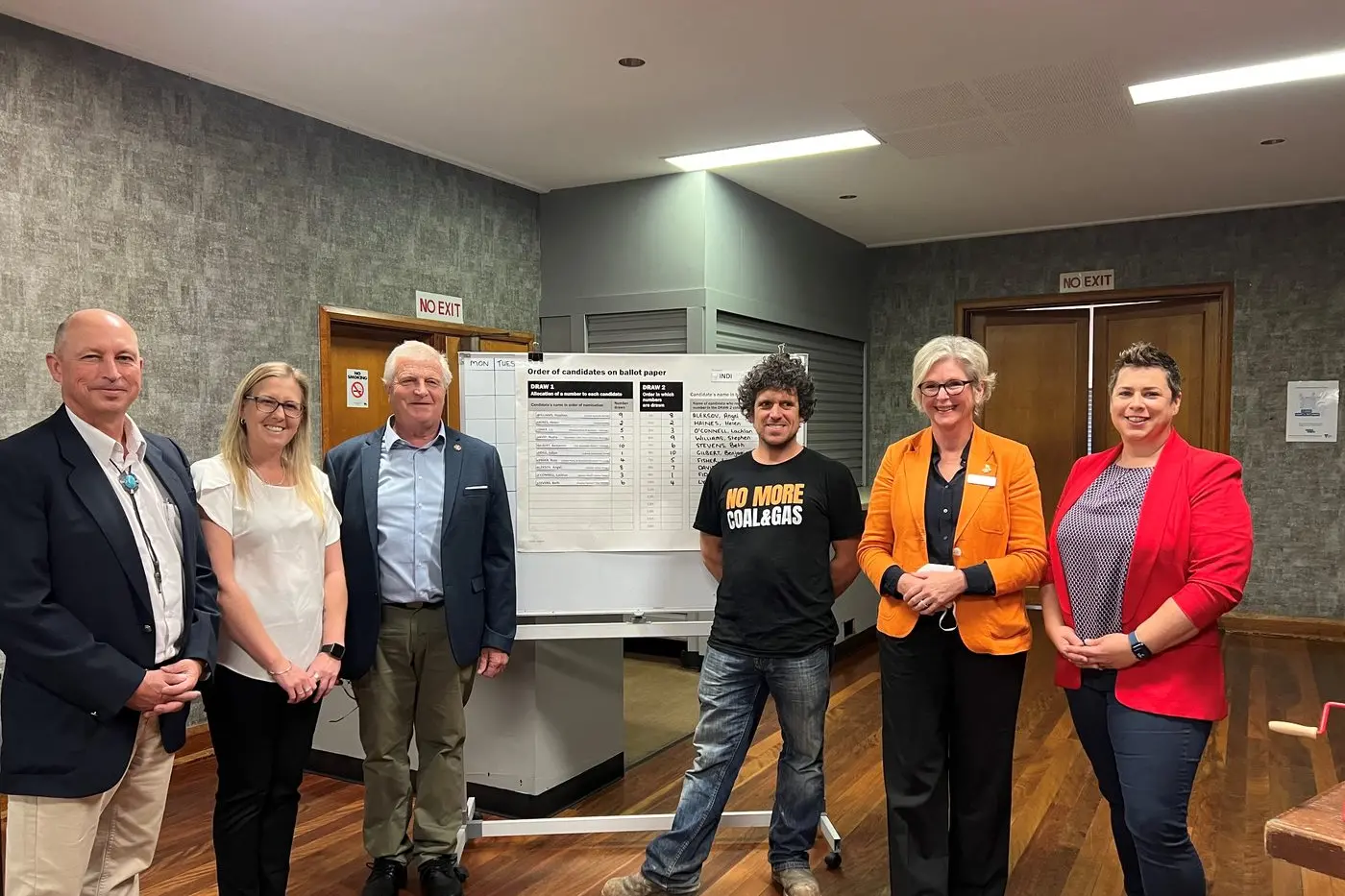
Australian Electoral Commission Indi returning officer, Jenny Essex, confirmed the 10 candidates and conducted the official ballot draw, attended by six of the contenders and around 70 interested onlookers, at St Patrick's Hall in Wangaratta at noon on Friday.
Animal Justice Party candidate Angel Aleksov of Princess Hills is at the top of the ballot card, followed by: Independent incumbent Helen Haines, Lachlan O'Connell (Derryn Hinch's Justice Party), Stephen Williams (United Australia Party), Beth Stevens (One Nation), Benjamin Gilbert (Greens), Liz Fisher (Nationals), Nadia David (Labor), Julian Fidge (Liberal Democrats) and Ross Lyman (Liberals).
Not since 2013, when 11 candidates contested the seat – which Independent Cathy McGowan won from Liberal incumbent Sophie Mirabella – has the electorate being offered such a diverse range of choice.
Ms Essex said 67 voting stations will be opened across the Indi electorate on polling day, but those wanting to vote before Saturday, May 21 will have access to pre–polling centres in Wangaratta (St Pat's Hall), Wodonga, Benalla, Mansfield and Bright from Monday, May 9.
Speaking at the draw, Dr Haines said the past two weeks of campaigning had only sought to solidify the issues that she said have been front and centre over the past three years of her term.
"People really care a lot about honesty and decency, and they're also raising their concerns about the rising costs of living, housing stress, aged care, health care and climate change, and a workforce shortage," she said.
"They're all important issues for Indi."
Liberals' Ross Lyman, who was unable to attend the draw due to a health forum engagement in Wodonga – where the Victorian Government announced $300m for a new Albury Wodonga Hospital – said he too was hearing key themes across the North East.
He said more investment in road, rail, renewable energy, health, education and communications; supporting manufacturing businesses and the agriculture sector to create more employment; and strengthen the trade and tourism sectors to grow the local economy were all part of his "practical, local plan for a stronger future" for Indi.
Labor's Nadia David, surrounded by supporters at the draw, echoed similar sentiments, and said throughout her door knocking on the hustings over recent months people were "genuinely excited to see someone (herself) who could potentially be in government".
"Indi has a very good local member who works hard but gets nothing," she said, believing support for Labor was building and doubling its primary vote (12.09 per cent in 2019) in Indi was certainly achievable.
Greens candidate Benjamin Gilbert said his campaign would focus on climate change, affordable housing, childcare and increasing taxes on large corporations.
He said he was seeing good support for the Greens and "we literally don't have enough corflutes for all the people that want them".
Liberal Democrats' candidate Dr Julian Fidge said his party's stance around personal freedoms, specifically no vaccine mandate, was one of the many sensible policies that was resonating with many in the electorate.
"Unlike the Liberal–Nationals Coalition, we don't believe market forces should run everything, and we're not socialist like Labor," he said.
Pauline Hanson's One Nation candidate Beth Stevens believes most of her party's policies will benefit Indi, but said local residents are particularly concerned with the state of the regional health system.
"A lot of people do discuss the health situation at the moment, like the Albury Wodonga hospital going into code yellow, the ambulance situation, that's a concern for everybody," she said.
United Australia Party candidate Stephen Williams said his first foray into federal politics had been prompted by "the madness of the last two years, and the loss of freedom and rights".
The father of six, who has run a successful lawn mowing business in Tawonga since 2011, said he was "running to get elected" and believed his party and its policies were the "best choice for regional Australia".
Nationals' candidate Liz Fisher said people, businesses and councils she was meeting with across the electorate she has lived in for two decades, said better roads and infrastructure, mobile reception and communications, with health services, were key concerns.
"I know it's difficult to get an appointment with your GP, sometimes three weeks wait...attracting and retaining GPs, increasing bulk billing services, and keeping telehealth permanent and universal are critical to strengthen health care in Indi," she said.