
PHOTO
Concerns have been raised about sediment build-up and vegetation choking sections of a local creek, with fears it may be contributing to declining water quality, habitat loss and increased flood risk.
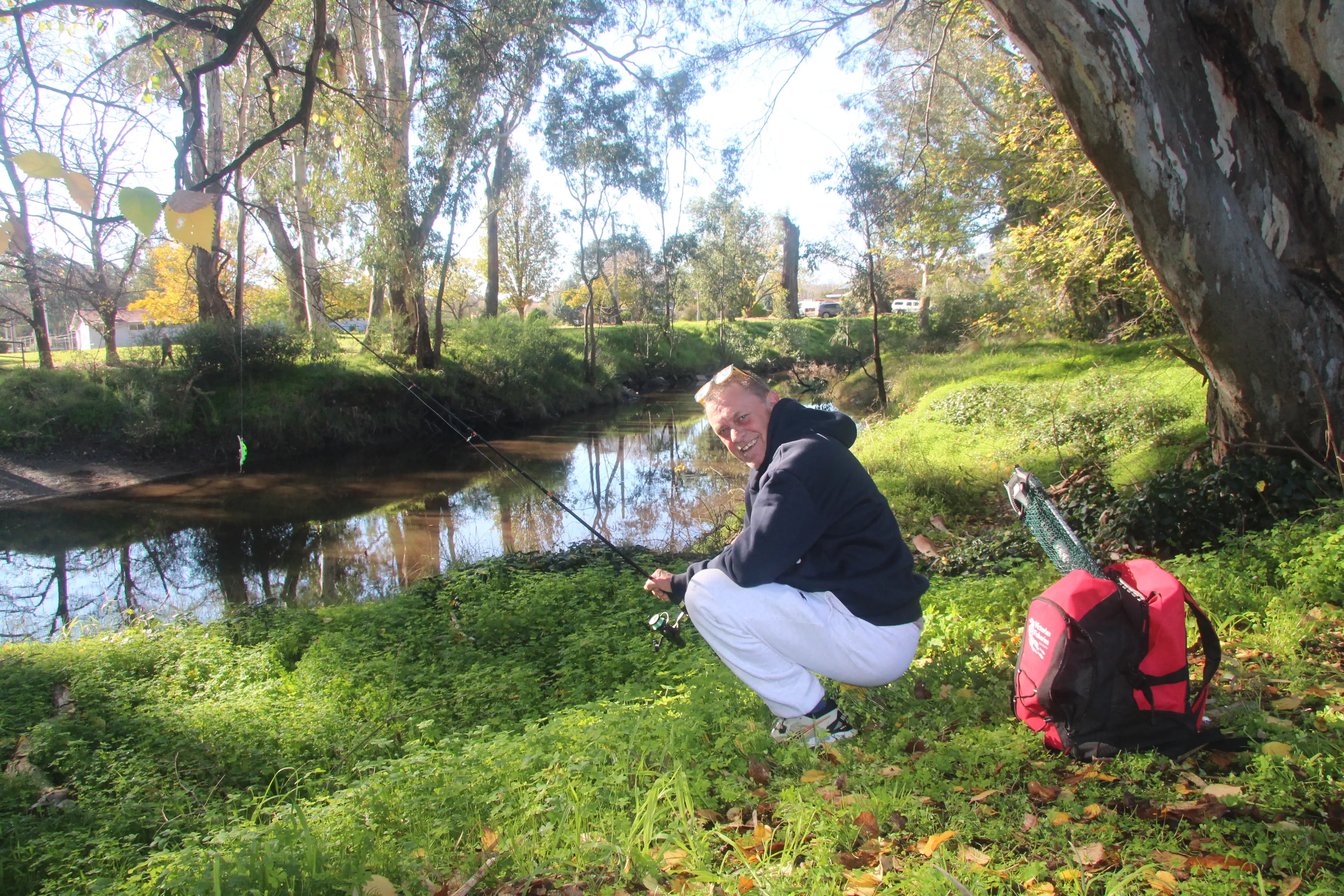
Euroa resident and keen fisherman Richard Kearney said he had observed significant changes in the waterway over a number of years, particularly following flood events between 2022 and 2024.
“We’ve had floods, but they never deepened the creek,” he said.
“All the sediment keeps coming down.”
Mr Kearney said the build-up had become so significant in some areas that the creek bed had effectively risen.
“The sediment’s got that high, you could almost stand in the creek now and your head’s nearly at the top of the bank,” he said.
He said the accumulation of sand and silt had filled in deeper sections of the creek, reducing the number of pools and altering the flow of water, increasing the risk of future flooding in nearby areas and removing shelter for aquatic life.
“When those holes fill in, there’s nowhere for the water to go, and also fish,” he said.
“You watch the next flood — that’s just going to pour through again."
Mr Kearney, who said he fished the creek regularly for several years after moving to the area, said he had noticed a steady decline in water quality and aquatic life over time.
“I was fishing nearly every day for about four or five years, before I noticed the changes,” he said.
He was also concerned with sections of the creek between Toomey’s Bridge and Factory Road Bridge which had become heavily overgrown, with little visible open water remaining, and said he had raised the issue with authorities, but found it difficult to identify which body was responsible.
“I was told it was council from someone,” he said.
“Then council said it was someone else.”
He said he remained concerned about the impact on native species, including platypus and native water rats, which Mr Kearney said he had not seen for 'about 18 months', and that a fish kill last summer could be attributed to low oxygen levels.
“There were redfin, yellowbelly, and even a cod just lying there dead,” he said.
“They were all sitting there trying to get air, and then they died.”
Vegetation growth was also raised as a contributing factor, with dense stands of phragmites and typha reducing surface water and other aquatic plants contributing to the slowing of water flow and trapping of sediment.
Mr Kearney said mechanical removal of vegetation had been undertaken in the past, but he believed more work may be needed.
“They brought a machine in once and pulled a lot of it out,” he said.
“Maybe something like that needs to happen again.”