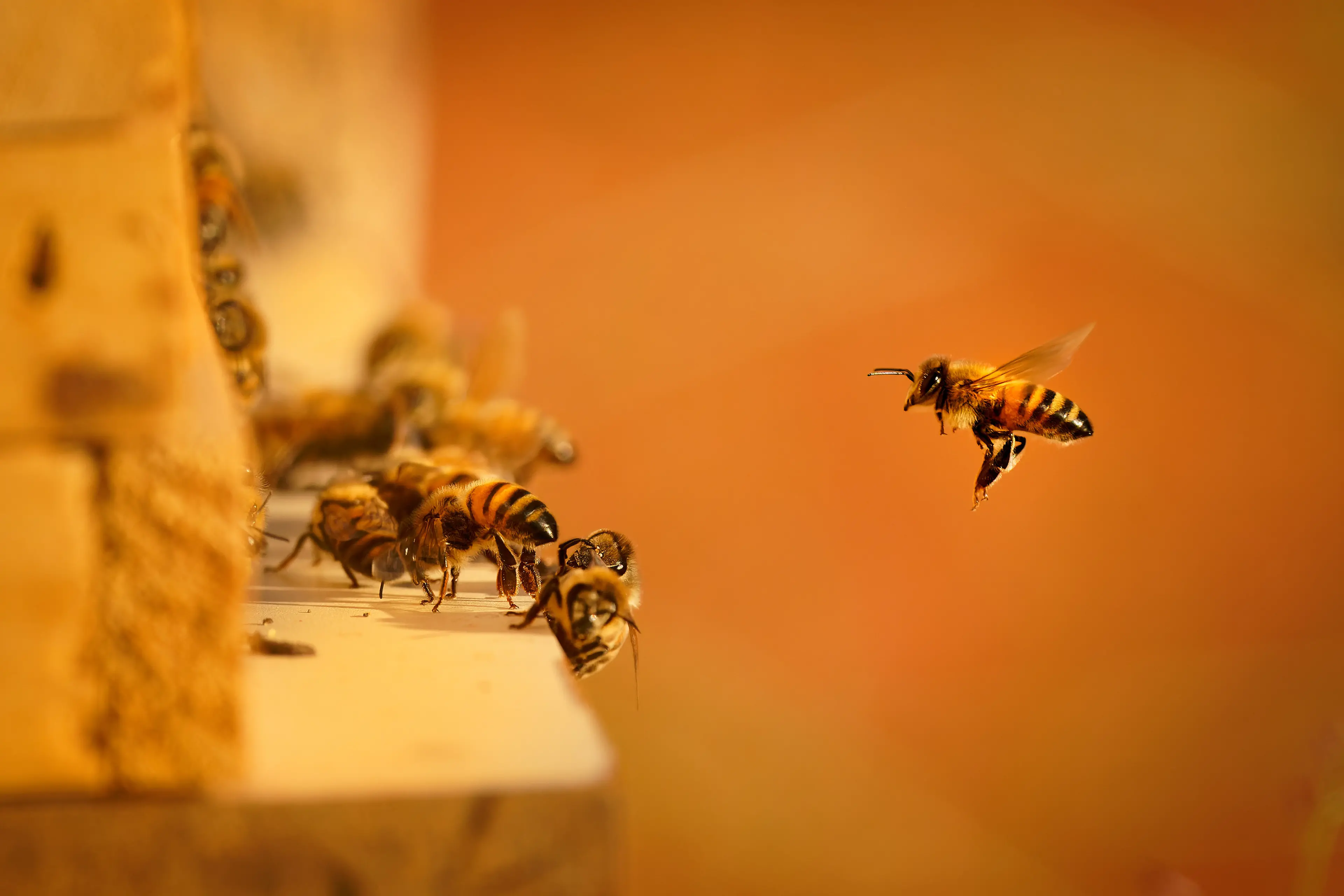
The gap between bee hives and the required pollination of the nation's crops could widen due to the spread of varroa mite and the rising demand for pollination services, a new report has found.

Beechworth Honey operators were one of 20 experts which informed the Wheen Bee Foundation's Pollination Security Status Report 2026, which identifies growing pressure on Australia's pollination system.

The pollination system is essential to horticulture and food production, however, the impact of varroa mite since it was detected in Newcastle in 2022 has dramatically affected bee colony numbers.

The report introduces new modelling that estimates 40 pollination-dependent crops could face a potential shortfall of 290,000 honey bee hives during peak pollination periods.

It assesses critical issues including the spread of varroa destructor, declining feral bee populations, the capacity and profitability of the beekeeping sector, habitat fragmentation, climate change, biosecurity threats, changing land use and the absence of coordinated national monitoring systems.

Beechworth Honey director Jodie Goldsworthy said they are pleased to have been part of supporting the development of the Pollination Security Status Report.

"This work is essential in highlighting the important role that all pollinators play and in particular the critical importance of bees and beekeepers both locally and nationally," Ms Goldworthy said.

"This document allows a shared understanding of the issues impacting bees and beekeepers and will allow for the development of an Australian Pollination Strategy which is the next piece of work needed to enable better outcomes for Australia’s pollination security."

Wheen Bee Foundation chair Peter Knoblanche said this is the first time Australia has looked at pollination as a whole system, not just for agriculture, but also for biodiversity, ecosystems and socio-cultural values.

“Pollination is often invisible because when it works, everything functions as expected," he said.

"Yet it is essential to Australia’s food production, natural environment and the economy.”

Mr Knoblanche said what excites them most is that Australia finally has a baseline due to the report.

"It’s an evidence base to move into the consultation phase of the Australian Pollination Strategy with far greater clarity and focus," he said.

“The consultation phase will be critical in testing assumptions, gathering additional evidence and ensuring the final strategy reflects practical experience from across Australia.”

The consultation invites all people involved in pollination to contribute to the development of the Australian Pollination Strategy.

Read the Pollination Security Status Report 2026 at pollination.org.au and submit feedback for the Australian Pollination Strategy at pollination.org.au.