
PHOTO
ONE of the strange realities of disaster recovery I have seen after my own fire ordeal (The Euroa Gazette 21 January) is that some of the people most in need of help are often the least likely to ask for it.
Six months on from the Longwood-Berrys Lane bushfire, there are still people quietly carrying burdens that some of the gentlest and most helpful people I have ever met will shoulder for you.
Recovery is difficult enough without making it harder through pride, uncertainty, or the mistaken belief that help is for somebody else.
I qualify for all three.
Fire-affected people still wrestle with insurance claims, replacing lost documents, navigating Centrelink, applying for grants, sorting out registrations, caring for ageing parents, dealing with health problems, confronting financial hardship, or simply trying to make sense of what life looks like after a disaster.
And there are still too many out there who do not realise the people whose job it is to help are not bureaucrats, bean-counters, or practitioners.
For me, they are what I now consider bloody good friends.
So, hear from one who has not only received assistance undreamt of, but also someone who took too long to realise its worth.
The support workers are not there to judge, provide formal therapy, lecture, nor send you away with a pamphlet and more paperwork.
They do things for you, but they need to hear from you first.
FOLLOWING the bushfire, I found myself caught in a maze of replacement documents, licensing and registration problems, administrative delays, significant health issues, and a daily routine of recovery tasks that often seemed pointless.
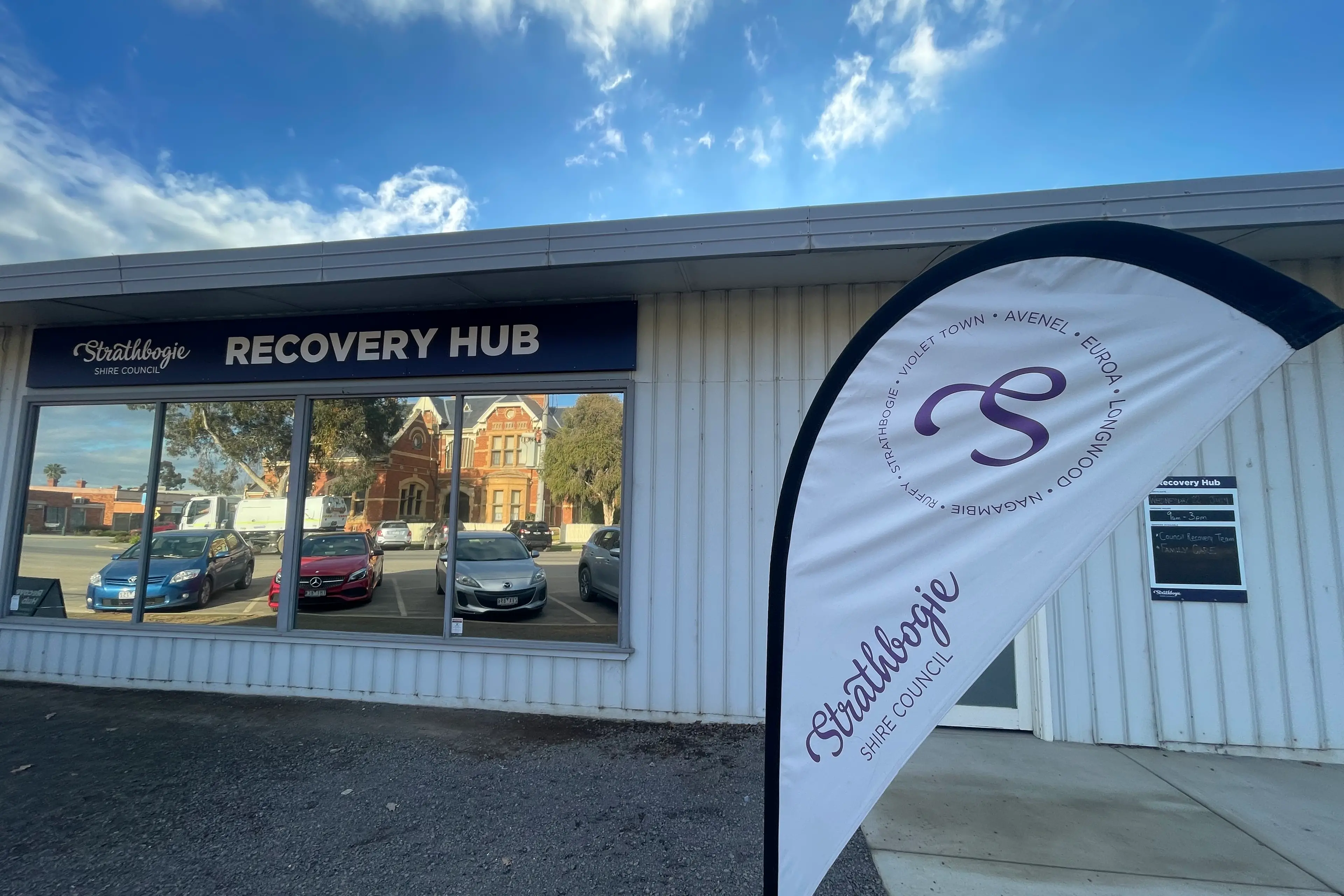
Like many people affected by the fire, I thought I was capable to sort it all out eventually, but ‘eventually’ took me by the scruff and marched me into the council’s recovery hub in Euroa.
The irony that my saviour can be seen through my window directly opposite this masthead’s office - not 30 metres away - and yet was not called upon for months after that awful day in January, hit hard at first but now gives me a sense of confidence that things will get done sooner than 'eventually'.
Here's the thing: no boat had been missed by me, and I found that my support worker there even now still has the ability to make all the right calls – not necessarily then and there in front of me – to all the right places, do all the heavy lifting, and then get back, in most cases, with what I need.
It is an ongoing process and every person’s case will be different, and naturally services at the other end differ in their response time, but the weight it continues to lift from my shoulders is immeasurable.
Who cares that my licence took months to be delivered? Someone had my back if I ever had need to produce it.
Sure, my birth certificate is still on its way, but I almost glory in being possibly the first person in Victoria to have the de-registration of their car reversed and the rego' bill from January wiped from the ledger.
With two tax returns gone up in flames, I found even the ATO can be contacted on my behalf.
THE COMPLICATED life after a natural disaster – particularly when some around me and even very close friends have moved on and would not know the trudging I have done since – allows things to fall through the cracks.
Phone calls don't get made or returned by me, forms don't get completed (or in my case even started), deadlines get missed, and tasks that should take 20 minutes somehow consume weeks.
Which is where the hub's recovery support workers step in.
They are not personnel who turn up immediately after a disaster and then disappear; their work continues long after the headlines fade (though not from this publication) and today they are still winkling out people from the fire-grounds who need help.
Their work covers helping someone deal with an insurance company, dealing with Services Australia applications on their behalf, or navigating My Aged Care.
It might mean connecting a family with grants, vouchers, firewood, tank cleaning, or educational opportunities people do not know exist.
When I was cash-strapped three months ago, they arranged sizeable food and fuel vouchers for me through giveit.gov.au and I passed back through them two heartfelt emails of gratitude to those anonymous Melbourne donors.
What should also not be underestimated is the flexibility of contact and their complete understanding when I turn up and not have my act together, or not turn up at all whether by me not feeling like it, or simply forgetting.
And despite only needing to cross the road on any Wednesday, grab a coffee and muesli bar, and saunter in to meet someone who looks more chuffed to see me than a family member would, I still forget things and even forget thoughts and can always come back later.
My main support worker has remembered my name from day one.
She knows a lot about everything I tell her and will ask how the hot water situation is going, or have I got selected at footy yet, do I still get a chuckle out of the rather saucy number plates VicRoads issued to me?
She even met me at VicRoads in Shepparton and did all the talking with the counter staff – I was needed only for my signature and to give her the most heartfelt hug afterwards.
DISASTERS do not end when the flames go out.
For many people, the hardest part arrives months later when everyone else assumes life has returned to normal.
I won’t publish ‘I wish I had contacted them earlier’ because I didn’t need to and nor should those who feel they are too late – for they are not.
According to those support workers I have spoken to, many of the people they assist only discover the value of the service after they engage with it.
Importantly, the team only spend one day a week sitting behind a desk waiting for people.
The rest of their time is used to get out and about to people’s homes, or simply searching for others in need.
They work with you where you are the most comfortable.
If they do not have the answer, they will often know who does, and what struck me most is that no problem ever seems too small.
And if I didn’t return their call, or not show up, or sent them texts at un-Godly hours, they understood.
I CANNOT emphasis enough the hard truth that nobody has to do this on their own.
My error was rooted deep in my stoic approach to any challenges life tends to have burst unexpectedly from the ground and the pre-bushfire Andy Wilson who rarely needed help.
How that pride was so caringly stripped from me was an alchemy that also allowed me to savour dignity and strength where it was needed elsewhere.
Others may require more scaffolding around them and others perhaps less.
If the Longwood-Berrys Lane bushfire affected you and you have been putting off asking for help for any reason, consider this your nudge.
After what this community has been through, nobody should feel they have to carry the challenges alone.
The burdens that come with disaster recovery were never ours to carry alone in the first place.
Make the call, walk into the hub, speak to the staff.
That will be the hardest step to make, but after that it’s all downhill, I promise you.
The bushfire took enough from us already; don't let pride, uncertainty, or exhaustion take from you the help that's sitting there waiting.