
PHOTO
The possibility of poultry exhibits being affected at this year's Euroa Agricultural Show is emerging as a concern following the continued spread of the highly pathogenic H5N1 bird flu in Victorian wild bird populations.
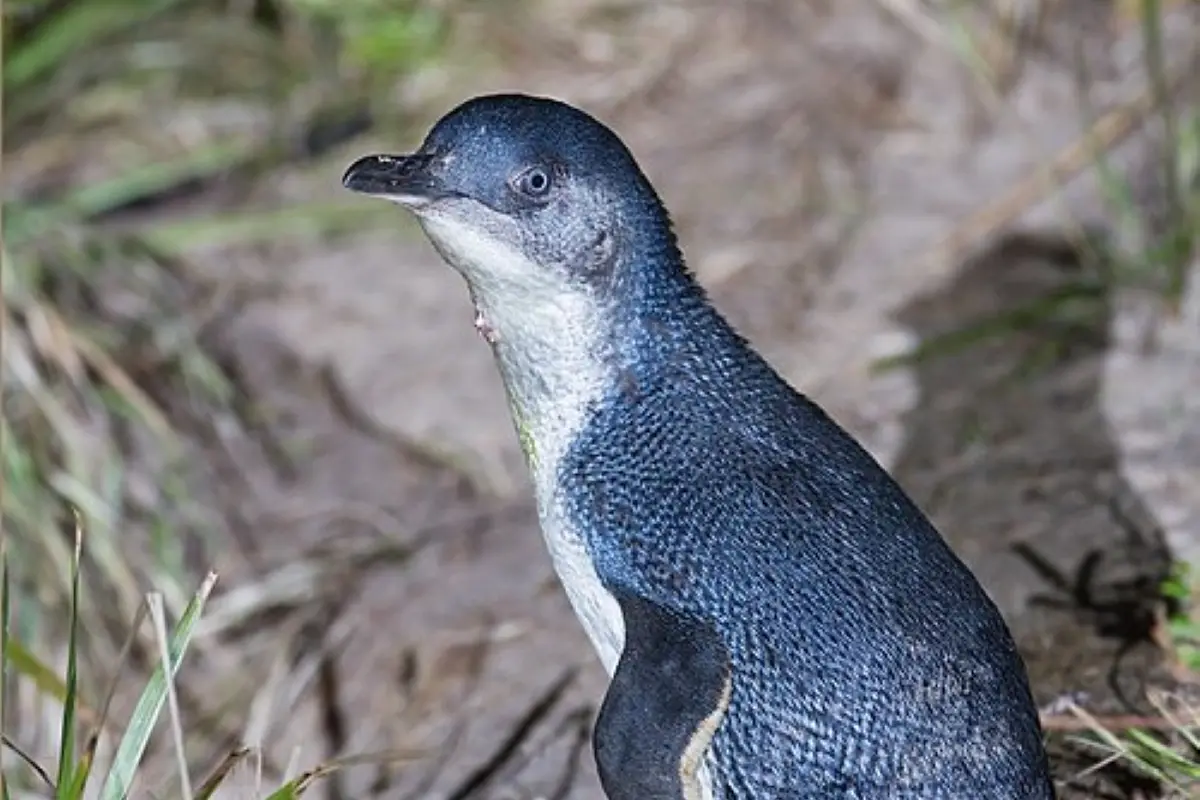
Agriculture Victoria confirmed on Saturday 15 August the virus had spread to East Gippsland, with three new detections recorded in wild birds, including Victoria's first known case in a little penguin.
Despite the virus still not having been detected in poultry flocks, the Adelaide Show and Melbourne Royal Show having cancelled their poultry competitions and exhibitions this year as a precaution.
Euroa Agricultural Society president Lyndal Dean said the society would follow any directions issued by Agriculture Victoria and peak agricultural show bodies ahead of the October event.
"We will be guided by AgVic regarding poultry requirements," Ms Dean said.
"Naturally, we will have to abide by what our overriding body tells us, Victorian Agricultural Shows.
"It will be a pity, but it is a possibility on the cards."
The latest positive detections included a little penguin from Phillip Island, a crested tern from Lakes Entrance and another crested tern from Dromana.
Chief Biodiversity Officer James Todd said the Lakes Entrance detection was significant because it confirmed the virus had reached East Gippsland, having spread from its first detection at the South Australian border.
"The Gippsland Lakes are habitat for large numbers of seabirds, shorebirds and waterbirds at higher risk from H5 bird flu, so spread of the virus through this area is likely to have significant impacts on wildlife," Mr Todd said.
The strain has now been detected in all states but not in poultry flocks, with authorities continuing to say that the risk to the general public remained low.
Overseas, the strain has swept through poultry industries, resulting in major outbreaks and culling programs, with wildlife populations on multiple continents having high mortality events among seabirds and marine mammals.
Australia’s biosecurity experts say the overseas experiences demonstrate how quickly the disease can spread once it becomes established in wild bird populations.
In response to the weekend detection, a major double-vaccination of little penguin colonies has begun.
Victorian wildlife officers and specialist wildlife staff began vaccinating over 5000 little penguins at Phillip Island and St Kilda on Monday evening 17 August, following federal approval for H5 vaccines to be used in priority native bird species.
The penguins were herded into temporary holding areas in what is believed to be one of the largest wildlife disease intervention programs undertaken in Australia.
While there have been no detections in poultry or other livestock, authorities are urging vigilance as migratory and coastal bird populations continue to move through affected areas.
Members of the public are being urged not to handle sick or dead birds and to keep pets away from carcasses.
Anyone who discovers unusual bird deaths is encouraged to note the location and report the incident.
Suspected cases can be reported to Agriculture Victoria or through the Emergency Animal Disease Hotline on 1800 675 888.
For regional agricultural shows and poultry exhibitors, authorities say any future restrictions will depend on how the outbreak develops during the coming weeks, with organisers continuing to monitor advice from Agriculture Victoria and national biosecurity agencies.