
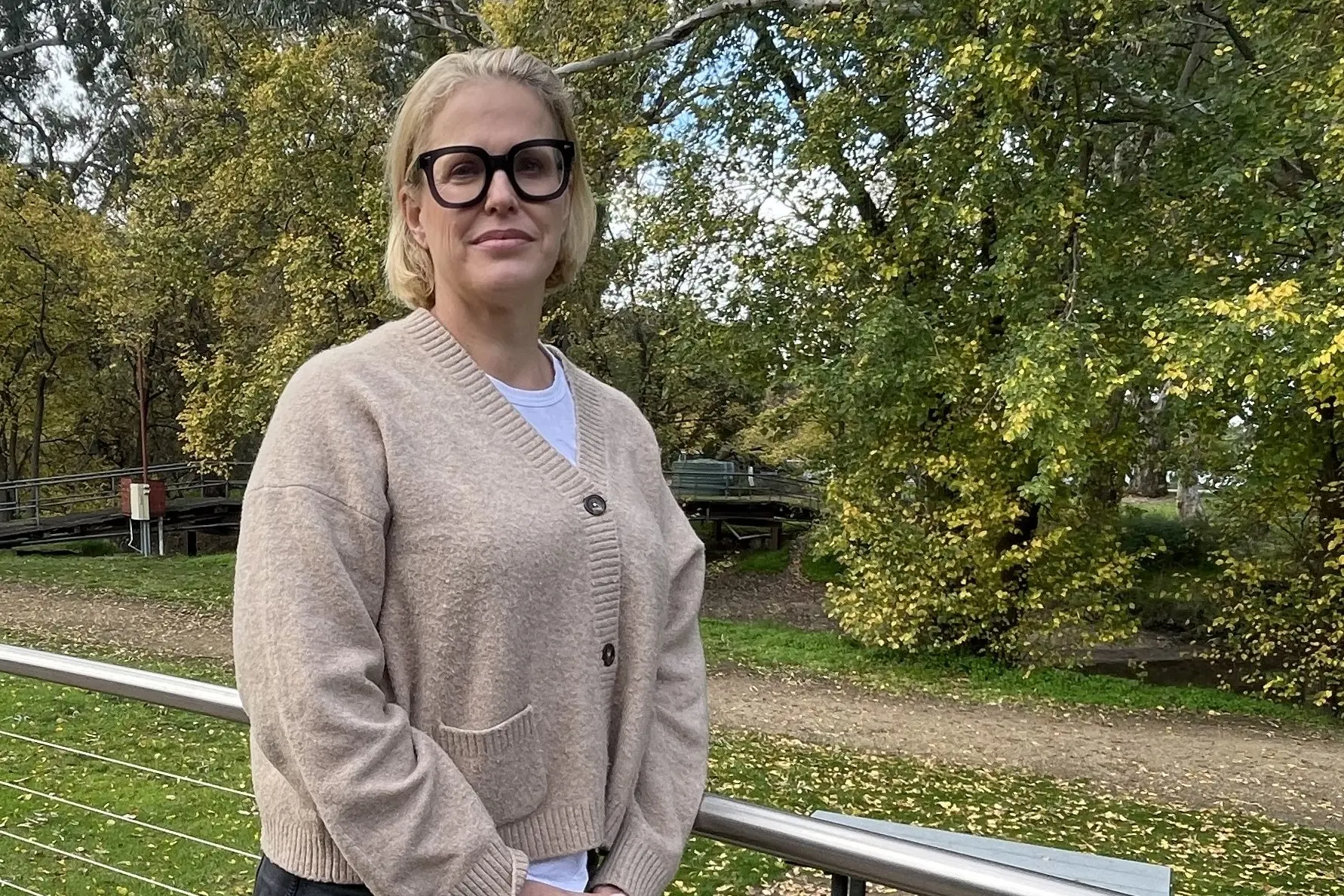
PHOTO
Victorian Ombudsman Marlo Baragwanath has acknowledged the ongoing complexity of bushfire recovery in regional communities, warning that gaps between agencies and limited resources remain key challenges as recovery continues.
Speaking to this masthead during the Here to Help session in Euroa on Wednesday 10 June, Ms Baragwanath said her office was monitoring complaints linked to natural disasters, but that many issues often took time to emerge.
Ms Baragwanath, who lives at Creightons Creek and was herself affected by the recent bushfires, said her office was now looking at long term issues.
“We’re constantly scanning what’s coming in the door,” she said.
“We’re getting bits and pieces, but not a large volume yet.”
She said recovery often shifts from an immediate response into longer-term issues, including rebuilding, insurance, and navigating government processes, where difficulties can become more apparent over time.
For many in the Strathbogie region still working through rebuilding, access to services, and ongoing administration, that delay can mean added pressure as recovery continues.
Ms Baragwanath encouraged residents experiencing problems with government agencies to first raise concerns directly with the specific agency, but to contact her office if those issues remain unresolved.
“Any sort of government agency that you feel is making recovery harder than it needs to be — if you’ve tried as much as you can and you’re running out of patience — come and have a chat to us,” she said.
Her office handles about 18,000 complaints annually, resolving the majority within 30 days, and prioritises cases based on individual circumstances.
However, she said broader intervention occurs when patterns begin to emerge.
“If we’re noticing a spike about a particular agency, or a lot of common issues, we’ll escalate it and ask what’s going on,” she said.
The Ombudsman also highlighted concerns about the complexity of government systems faced by people dealing with trauma.
“I do find it troubling that there are that many pieces of the puzzle that we expect people in really difficult circumstances to navigate,” she said.
Ms Baragwanath said her office was particularly interested in identifying service gaps across agencies.
“We can’t have government operating in silos,” she said.
“People need to recognise that you’re dealing with a whole person,” she said.
“People are dealing with a whole range of issues at once, and it shouldn’t become a bureaucratic nightmare,” she said.
She also pointed to resourcing constraints, including ongoing concerns about how her office is funded, affecting her ability to respond more proactively in disaster-affected areas.
“I would love to get out there and talk to people in the weeks and months after a crisis,” she said.
“I just don’t have the resources to do it.”
“If it’s not us, we can help you get to where you need to go,” she said.
Next week: Ombudsman outlines the conflict of interest that sees her office under-resourced to help those impacted.