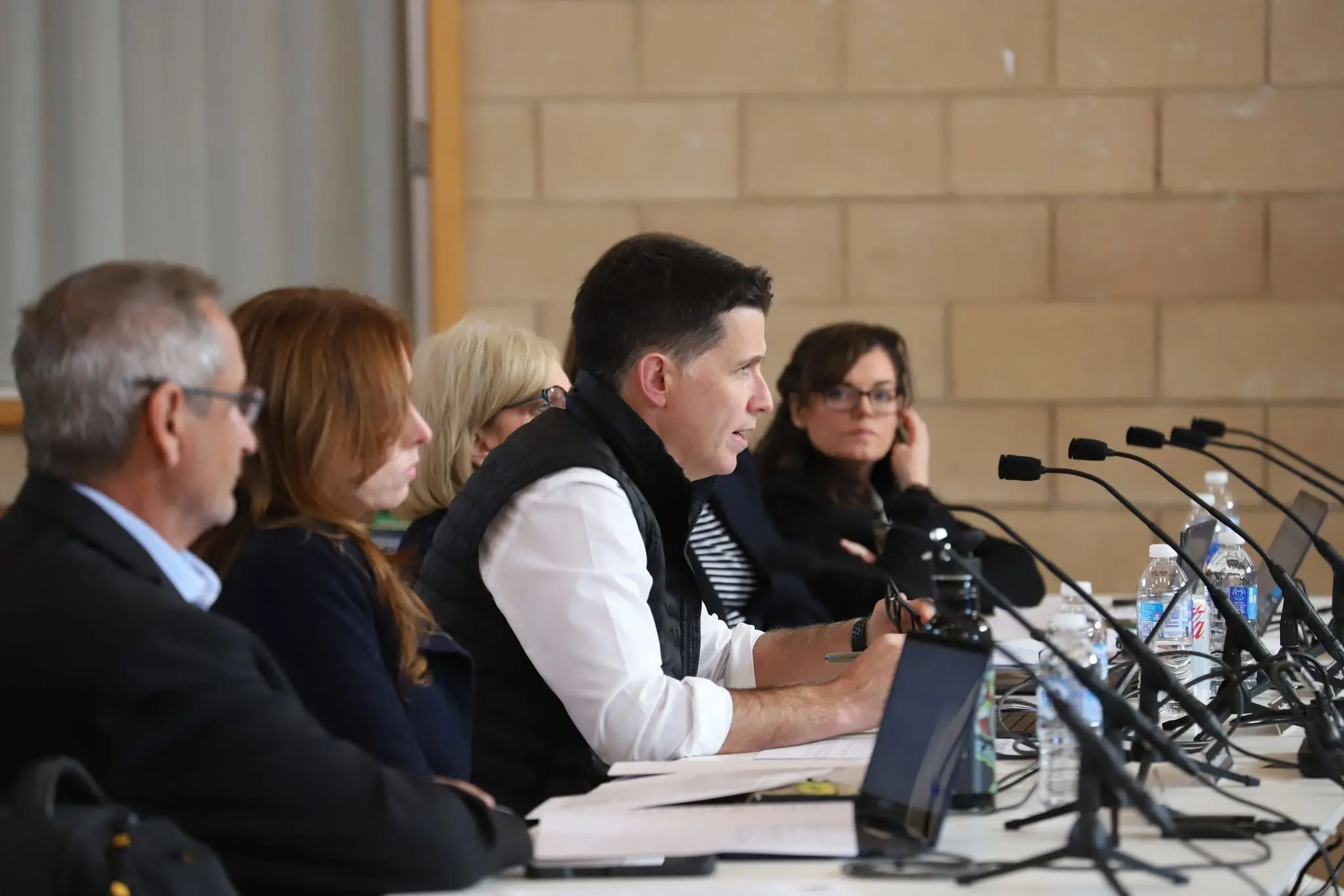
The Victorian Parliament's inquiry into the 2026 summer fires has delivered 80 recommendations and identified shortcomings across emergency communications, volunteer recruitment, infrastructure resilience, recovery support and bushfire preparedness.

The report, tabled on Tuesday 28 July by the Legislative Council Environment and Planning Committee, examined the fires that burnt more than 440,000 hectares across the state last summer, including the Longwood fire which consumed more than 130,000 hectares and became Victoria's largest blaze of the summer.

While the inquiry examined issues across the state, many of its findings closely mirrored concerns raised months earlier by the Longwood CFA Brigade, whose detailed submission to the parliamentary panel highlighted communication failures, training barriers, command-and-control shortcomings and volunteer workforce pressures.

The brigade pulled no punches in its 16 April account of the fires, criticising communication failures throughout the emergency response, particularly in the first 48 hours of ‘chaos’, something which the brigade said put lives at risk.

"Instantaneous communication was unable to be established, hampering fire-fighting efforts and potentially putting crews at risk of burn over," the submission said.

"An effective response to an emergency situation requires clear communication and strong leadership."

The brigade submission outlined communication issues at the start of the fire, saying the Incident Control Centre (ICC) in District 22 was not established on 7 January 2026 (Day one).

"The transition from fire ground communications to the ICC was not set up to enable effective communication, (which) resulted in a lack of communication and difficulties with decision making."

Widespread telecommunications outages also had a direct impact, with crews on trucks unable to utilise CFA radios to access information from the command-and-control structure.

"There were also insufficient radios to maintain adequate communication, which could have potentially led to a safety issue.

"The reliability of the radio network under the pressures in the prevailing conditions did not stand up to expectations, making it very dangerous for fire fighters working in such extreme weather conditions.

"Black spots in the radio network left communication channels unreliable."

The digital network did not perform to the standard required in the circumstances, the brigade submission said.

The combination of communication breakdowns led to instances of ICC staff not knowing who they were talking to and to a lack of coordination on the fireground.

"The ineffective communications and chaos in the first 48 hours of the Longwood fire did hamper firefighting efforts."

In response, the inquiry recommended reviews of radio communications, stronger telecommunications resilience, education on warning systems, and mandatory backup power standards for mobile phone towers.

The inquiry's concerns around volunteer recruitment and retention were also reflected in the Longwood CFA Brigade submission, which said barriers were faced by regional volunteers seeking higher-level training.

In its evidence, the brigade said only one member had completed Strike Team Leader training despite the crucial role such qualifications play during major emergencies.

"Courses are not readily accessible in the regional areas, particularly for people who are CFA volunteers and have full time employment,” the brigade said.

"To attend these courses, you must be available for 3-4 days at a time, with courses running for 2-3 weeks overall.

"It is not possible for people who have full time jobs outside of the CFA to attend and still provide financially for their families."

While the brigade said it was well prepared for most emergencies, it acknowledged the Longwood fire presented challenges beyond those normally encountered, saying that the January bushfire was ‘beyond the normal’.

"However, when there is a level 3 incident, there are gaps in our expertise and experience."

Those concerns also aligned with findings in the inquiry’s report, which also called for a recruitment and retention strategy, a review into declining volunteer numbers, improved access to training and greater use of local knowledge in incident management.

Member for Euroa Annabelle Cleeland testified at the inquiry’s open microphone session on Friday 24 April not only in her role as local MP, but also as a fire-impacted rural resident.

At the session, Ms Cleeland raised the issues of communication failure, command-and-control concerns and insufficient volunteers and training.

In response to the report’s tabling, Ms Cleeland took aim at the incoming Carroll government, saying that her community had lived through the consequences of government failures.

"This report confirms what our communities have known all along," she said.

"A 26 per cent decline in CFA volunteers, ageing trucks and critical workforce shortages are the result of years of Labor neglect."

Ms Cleeland called on the government to respond immediately to the inquiry committee's 80 recommendations.

“Victorians deserve action before the next bushfire season, not more delays,” she said.

“The evidence is now undeniable, and the Labor Government must act before the next fire season."