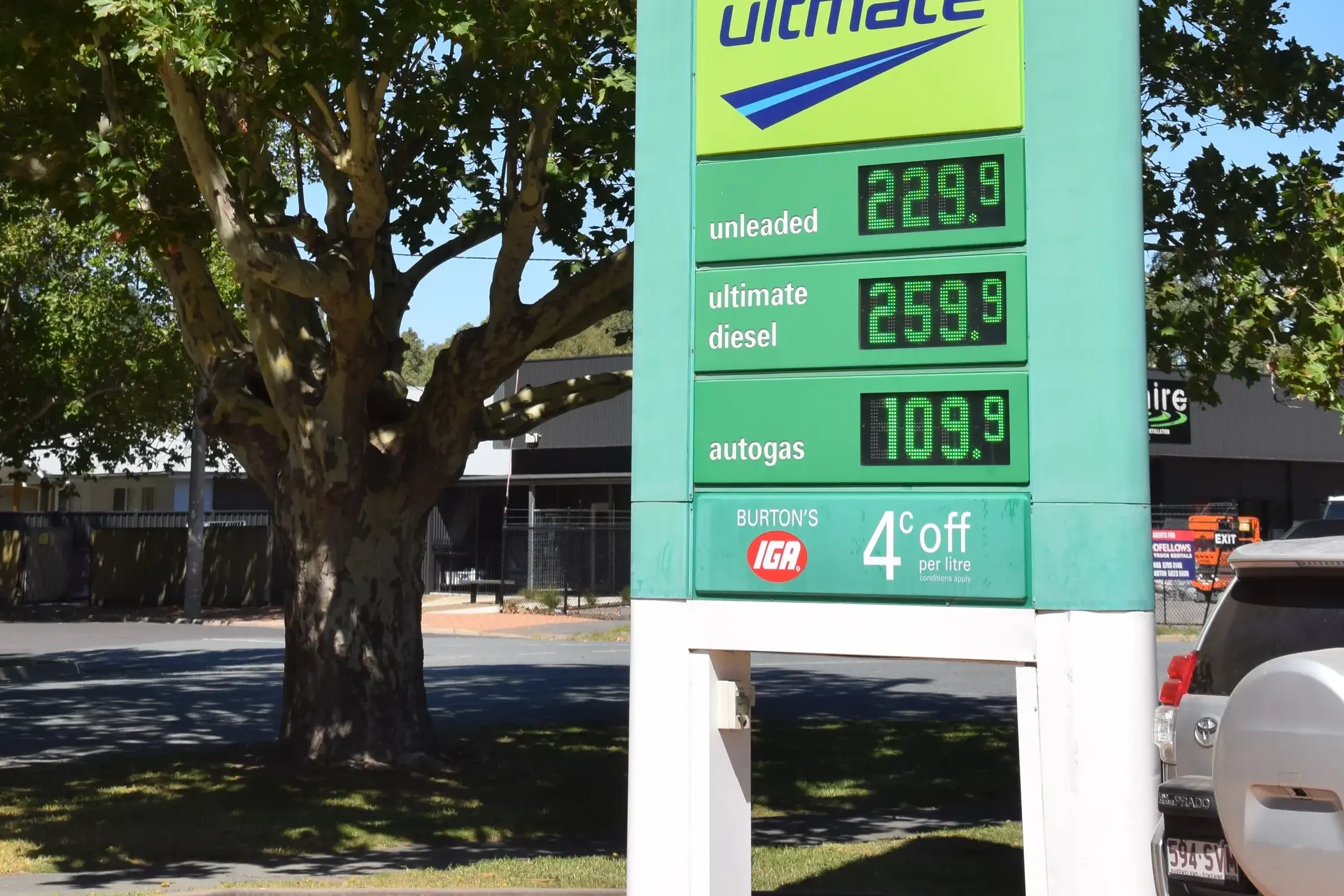
Rises in fuel prices as a result of the war in Iran have raised concerns among transport companies, farmers and regional Victorians, as the federal and state governments step in to avoid price gouging and ensure continual fuel distribution.

New Victorian anti-gouging laws came into effect on Tuesday 10 March, forcing fuel retailers to set a daily cap on fuel prices and publish that price in advance.

The state government said in a statement that with strict reporting deadlines for all service stations, customers can find their best local price at night and know the price will not rise the next day.

Petrol stations that fail to register or report their prices will face fines of more than $3000 for each breach or more than $24,000 if taken to court.

The Australian Livestock and Rural Transporters Association (ALRTA) last week called on the federal government for 'leadership and transparency' as diesel prices continued to surge.

ALRTA said some transport operators had reported diesel price increases of between 30 and 60 cents per litre, with some regional fuel suppliers also introducing rationing measures.

The association's president Gerard Johnson said while isolated supply pressures were being reported, the priority of the government needed to be maintaining confidence and stability across the freight network.

He said the rapid increase in diesel prices was placing immediate pressure on rural freight operators.

“Transport operators and regional communities need clear information and reassurance that Australia has sufficient fuel supplies and that appropriate measures are in place to maintain stability,” Mr Johnson said.

“The jump of 30 to 60 cents per litre represents a 10 to 20 per cent increase in operating costs almost overnight.

“If diesel becomes unavailable or unreliable along key freight routes, trucks do not move.”

He said panic buying risked worsening the situation.

"What we need right now is calm behaviour.”

The Nationals also urged the government to address fuel uncertainty for farmers and agricultural industries.

Former leader David Littleproud said on Friday 6 March that farmers around the country were unable to source 'forward fuel' supplies, which are contract agreements to secure fuel delivery at a fixed price.

Farmers were also struggling to get supply quotes, with some deliveries ceasing until further notice.

“Farmers cannot get the fuel they need in regional and rural areas right now, which is placing enormous pressure on the agriculture industry,” Mr Littleproud said.

“This will have huge consequences all around the country because it means our farmers can’t farm and when supply goes down, prices go up, so families will feel this problem also at the supermarket checkout.

“I have written to Minister for Climate Change and Energy Chris Bowen and told him it is critical the situation receives urgent attention."

Chris Bowen said in a statement on Thursday 12 March that the government would address the fuel crisis by allowing lower quality fuel to enter the country.

"In order to assist with getting more supply, and secure downwards pressure on prices, I am temporarily amending Australia’s fuel quality standards to allow higher sulfur levels for the next 60 days," Mr Bowen said.

"This will allow around 100 million litres a month of new petrol supply, that would otherwise have been exported, to be blended instead into Australian domestic supply.

"In return, Ampol Australia has committed to ensure this redirected supply will be prioritised for regions of shortage and for the wholesale spot market that supports independent distributors and harvesters.

"The Government has been unequivocal – this additional supply must help the people who need it, including farmers, fishers, and regional communities."

Mr Bowen then announced on Friday the government would release 20 per cent of the nation's petrol and diesel reserves to combat regional fuel shortages, by lowering the Minimum Stockholding Obligation (MSO) for fuel companies, allowing them to release another 500m litres of diesel and 300m litres of petrol into the market

Nationals' member for Mallee Anne Webster slammed Mr Bowen's announcement on Friday as 'yet again' playing politics with fuel supplies.

“Minister Bowen (said) on Friday the MSO was their policy – it wasn’t, Dr Webster said.

"The Coalition legislated the MSO for petrol and diesel while in Government and invested $260 million in increasing diesel storage by 40 per cent.

“Labor have done nothing to improve our fuel storages.

"The Iran conflict began 13 days ago – is today’s release of stored fuel the earliest date action could have been taken?”

Residents of Strathbogie Shire have seen local service stations take action to avoid panic buying with customers not being allowed to fill separate fuel containers from bowsers.

Several customers contacted this masthead to say they now needed to refill chainsaws and lawnmowers at service stations due to the measures, with some farmers having the only option of syphoning from their car fuel tanks for their tractors.

How the Victorian anti-price gouging law works:

• Retailers have until 2pm to set their fuel price for the following day

• The capped price is published on Servo Saver at 4pm

• The price will apply for 24 hours from 6am the following day

• Retailers can reduce the price during a 24-hour period, but they cannot increase it