
PHOTO
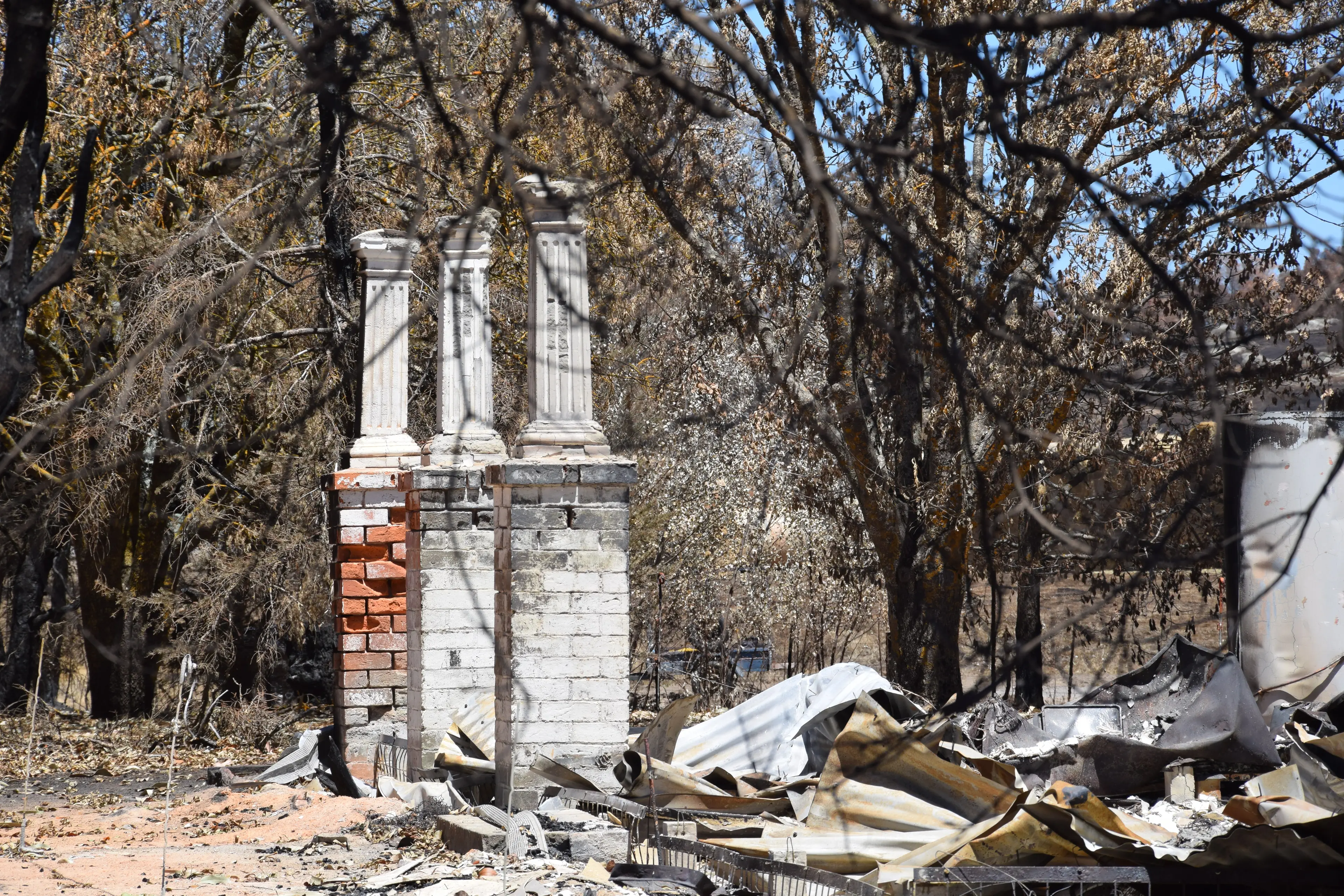
Two community-led questionnaires have sought to better understand the ongoing challenges facing people impacted by the Longwood fire, with early findings pointing to gaps in housing, clean-up, and recovery support.
A survey run by Yarck Hall, focusing on whether residents were living in appropriate housing over winter, has now closed after gathering information from across the fire-affected area.
Attention is now turning to a second survey, based out of the Tablelands Fire Recovery Hub in Ruffy, which is examining issues around property clean-up, case management, and access to support.
The survey remains open until Saturday 1 August.
That work is being led by Coll Furlanetto, who said the aim was to better understand the lived experience of recovery on the ground.
“We wanted to just see how it was out there, and ask very simple questions — are you on the waiting list, do you know where you’re at, how was it to get onto the list, and how’s case management working if you have it,” she said.
Early responses suggest a mixed picture, with some residents reporting a relatively smooth clean-up processe, while others have faced delays, confusion, and uncertainty.
“It’s far more murky for those that were underinsured,” Ms Furlanetto said.
She said communication had been one of the most consistent issues raised, with many people unclear about their eligibility for assistance or the status of their applications.
“Communication in recovery has been very, very spasmodic — late, not complete — and it’s varied depending on where you are, which has confused people,” she said.
Some residents, she said, had become so frustrated with the delays that they had taken matters into their own hands.
“We’ve had people say ‘we just cannot wait any longer’, so they’ve gone ahead and done the work themselves — sometimes injuring themselves in the process,” she said.
Ms Furlanetto said there were also inconsistencies between local government areas, particularly around waste disposal, which had added to the confusion.
In some cases, residents had transported waste long distances themselves, including to facilities outside their immediate district.
She said the survey was also highlighting broader concerns about coordination between agencies and the overall structure of the recovery effort.
“We also have people who are still coming into the Tablelands Hub who haven’t registered anything yet — they’ve just managed on their own and now they’re burnt out financially and physically,” she said.
“There are cases where people might be on a council list but not a state government list, or not connected with a hub, and they could be missing out on support.”
Ms Furlanetto also pointed to the pressure on local recovery hubs, which she said were largely volunteer-run.
“At the moment, the support here is almost entirely reliant on donations and volunteers,” she said.
“There should be direct funding to these hubs to do the government’s job - we are all volunteers, and it’s been six months.”
She said the ongoing challenges extended beyond clean-up, with access to services, information and support continuing to impact individuals across the fireground.
“If people don’t have housing and don’t have warmth and food, we know that mental health declines,” she said.
“It’s tough at the moment — and it doesn’t need to be this tough.”
Despite the difficulties, Ms Furlanetto said local hub teams had worked closely together and remained committed to supporting their communities.
“The community can do a lot if it’s supported, but we can’t keep filling the gaps without that support,” she said.
The clean-up and recovery survey remains open until Saturday 1 August and can be completed online at forms.office.com/r/67tpSzmV9S