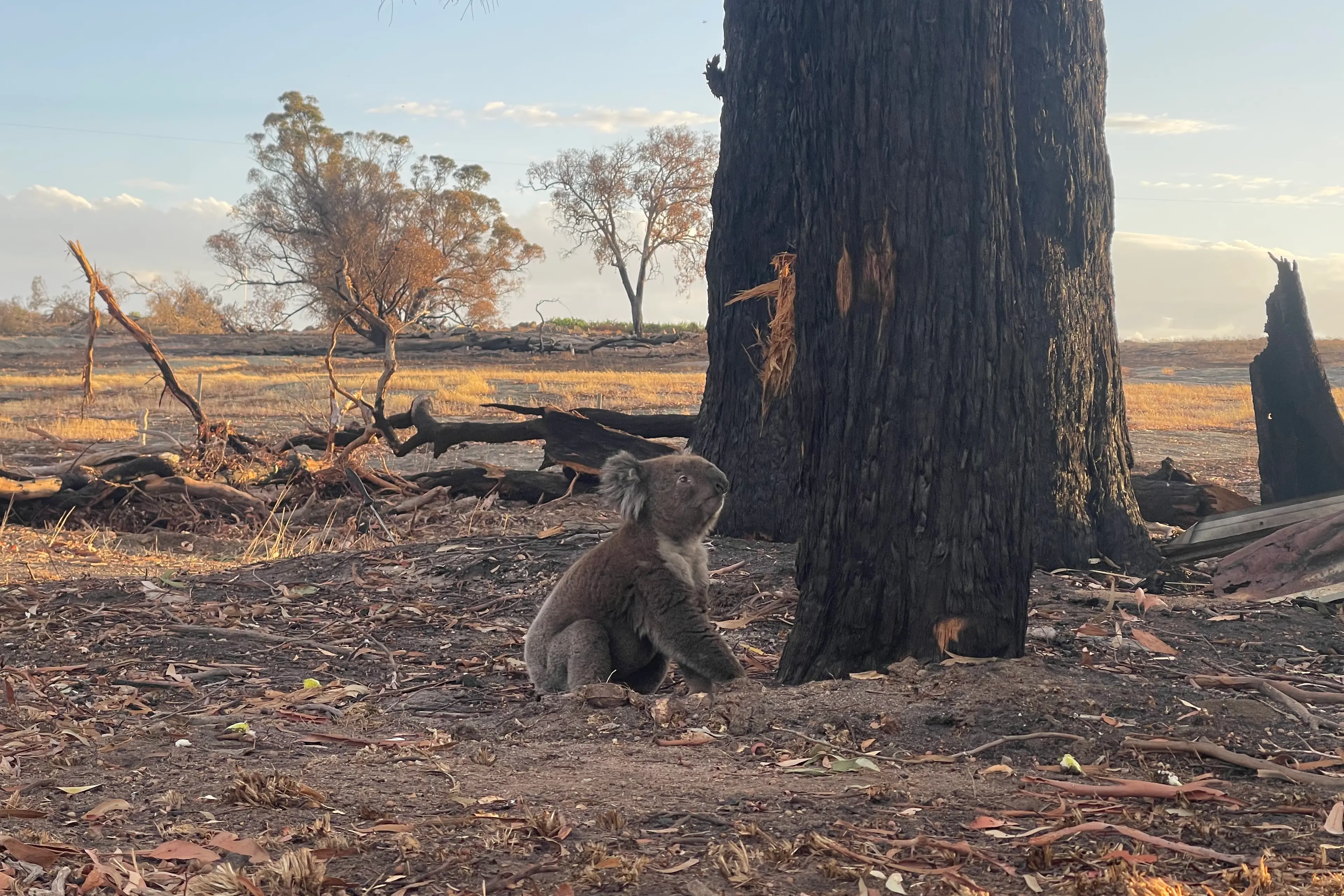
Drawn from submissions, public hearings, open mic sessions and site visits across fire-affected communities, the inquiry's 80 recommendations seek to improve Victoria's preparedness, emergency response and recovery systems before the next major bushfire. North East Media's Anne Richey has summarised the key recommendations from the 400-page report. The Legislative Council Environment and Planning Committee's report, The 2026 summer fires across Victoria, was tabled in the Victorian Parliament on Tuesday 28 July. The 400-page report followed an inquiry into the summer bushfires, including the Longwood fire, which heard from communities through submissions, public hearings, open mic sessions and site visits across affected areas. Among its key findings, the inquiry reported a 26 per cent decline in CFA operational volunteer numbers over the past decade, ongoing shortages of experienced incident controllers, ageing firefighting fleets, inconsistent roadside vegetation management and significant delays in the clean-up of fire-affected properties. The committee also found more than 800 single-cab CFA tankers remain in service, hundreds of firefighting vehicles continue to carry firefighters in exposed rear seating, and only 28 of 241 eligible properties had been fully cleaned up by 1 May. No official cause of the Longwood fire has been announced with the blaze still under investigation by Victoria Police. Victorian Farmers Federation (VFF) president Ryan Milgate welcomed many of the recommendations but said governments now needed to act. "The VFF has been calling for practical reforms for years, including better management of public land fuel loads and stronger support for the CFA that properly recognises the impact of bushfires on farm businesses," Mr Milgate said. "We don't need another report, we need governments to start delivering and they can start doing that today." The inquiry made 80 recommendations. Combined agencies The first recommendation seeks a review of the roles and relationships of Emergency Management Victoria (EMV), the Country Fire Authority (CFA), Fire Rescue Victoria (FRV) and Forest Fire Management Victoria (FFMV), to improve accountability, reduce complexity and strengthen frontline operational leadership. It was asked that there be an evaluation of the secondment arrangements and advise how they could be strengthened. CFA The report recommends that the Victorian Government support CFA to develop and fund a volunteer firefighter recruitment and retention strategy, as well as a review into declining volunteer numbers, and the establishment of CFA specialist firefighting teams. They should also “commit to the accelerated replacement of all CFA single cab frontline firefighting tankers and fund a fleet renewal program that removes these vehicles from operational service within five years.” Furthermore, they recommended that the CFA establish a public database to monitor fleet status, including vehicle class, age and operability. Local knowledge CFA, FRV and FFMV should develop a policy framework for incorporating local knowledge into their preparation and response capabilities, including private units and applicable machinery, and provide support to holders of private units. In addition, there should be a review into ways in which local knowledge can be better integrated into incident management teams. Water access The government should also provide ongoing funding for strategically located bulk water tankers and continue to invest in innovative firefighting appliances, including ultra heavy tankers, and establish a dedicated rural firefighting water infrastructure fund to support the installation, upgrade and maintenance of strategic water tanks and other water storage assets in high bushfire risk areas. There should be collaboration between emergency agencies to standardise access to bulk water across the state, and that all firefighting appliances be fitted with standard adapter kits. Static water points should be signed and tested before each season, including private tanks where the owner consents. Mitigating risk The Victorian Government should ensure fire agencies undertake an urgent science based appraisal of areas with extreme fuel risk prior to funding and implementing works ahead of the next summer. A further recommendation is that the Department of Transport and Planning (DTP) create an in season escalation process for councils and brigades to request urgent roadside works following substantial rain and grass regrowth events that increase fire risk or block access. Legislation should be amended to provide the CFA with clearer authority to enforce roadside vegetation management, investigate bushfire hazard complaints, issue and enforce fuel management notices and require remediation by public land managers, particularly around critical infrastructure, and that the Victorian Government ensure that roadside vegetation management can demonstrate clear risk reduction for community infrastructure and emergency response, while limiting ecological harm. There should also be minimum maintenance standards regarding vegetation management on roadsides, and consideration of permitting landholders to undertake approved fuel reduction activities on nearby roadsides, where appropriate. The Victorian Government should increase support for CFA and EMV locally delivered face to face bushfire preparedness initiatives with measurable outcomes. The Inspector General of Emergency Management should review wire rope safety barriers and other roadside safety infrastructure to ensure they do not impede bushfire prevention, response or recovery activities. EMV should also publish annual regional readiness statements before each fire season. Messaging Improved messaging about bushfire risks is sought, along with the appropriate actions to take in preparation, and an improvement in warning literacy and decision-making. There should also be improved education for the community about bushfire places of last resort, and enhanced messaging on how to make properties less fire prone and what to do in fire situations. Technology The government should prioritise the delivery of reliable power supply and telecommunications resilience in bushfire prone communities, and should actively consider how emerging fire detection technologies, including AI enabled cameras and remotely piloted aircraft systems, can augment Victoria’s existing bushfire preparedness measures. It was suggested that there be an education campaign in communities with high fire risk around what information sources are available in emergency situations where power and communications are lost. It was recommended that EMV prioritise updates to enhance the VicEmergency app for useability and accessibility, with better quality of messaging. In addition, there should be a review of the CFA’s radio communications suitability and compatibility with other fire services radios. There should be continued funding to the CFA for the Elevated Seasonal Response Initiative. Relief centres and recovery It was recommended that the Victorian Government work with councils to facilitate stronger understanding of the funding arrangements for the establishment and operation of emergency relief centres. This should include an evaluation of certain upfront relief costs to assist smaller councils. Additionally, the government should investigate ways to more adequately support a community enabled response, including upfront funding to community hubs for essential provisions, rather than reimbursements. There should be a review and evaluate the support packages offered to communities during relief and recovery stages of emergencies, focusing on community needs, and ensuring equitable access for all fire affected communities including those who stayed to defend. Clearly defined eligibility criteria should be provided to assist with reducing challenges with claim resolution, and measures by which emergency relief payments could be made immediately after residents are asked to evacuate. The report also seeks a review the eligibility methodology for disaster relief payments at both state and Commonwealth levels. In addition, the report recommends the prioritisation of the delivery of temporary modular housing for homeless residents whose homes were significantly damaged or destroyed by the fires, and ensure sufficient temporary accommodation remains available until permanent housing is completed, enabling people to remain close to their properties and communities. There should also be faster planning and building approvals, and Emergency Services Volunteer Fund (ESVF) for bushfire affected property owners with councils supported to provide rate relief, and improvement in insurance affordability in fire prone communities. Early recovery funding allocations should be reviewed and adjusted as damage assessment and recovery needs become clearer, and there should be an impact based recovery funding model for major bushfires, with allocations based on scale and type of loss. Government fire spending The report asks that the Victorian Government publish regular, publicly accessible reports detailing bushfire recovery expenditure, project delivery, funding allocations and outcomes. Community hubs It was recommended that the Victorian Government establish a rapid case management deployment system or provide case management training to community hub leaders, and that a community recovery hub model be established for natural disasters. A lack of information sharing between the Victorian Government, local councils and community organisations caused many challenges and it was recommended that this be addressed. Mental health It was recommended that the Victorian Government establish a dedicated program for improving baseline mental health service capacity in rural and regional areas, and ensure that recovery case management assistance integrates psychosocial support with practical recovery issues. In addition, the government should develop a long term psychosocial recovery plan for communities affected by repeat disasters. Clean up The Victorian Government should establish a default clean up model for major bushfires to ensure that properties are cleaned up quickly and residents are not exposed to hazardous material. Clean up support should not be dependent on insurance status, with support provided while insurance claims are being processed. Clear and up to date eligibility rules, underinsurance definitions and referral pathways for clean up support should be published within two weeks of a major bushfire. Waste levy It was recommended that the Victorian Government ensure waste levy waivers and gate fee rebates remain in place until the end of 2026. Road access A permit system was recommended to authorise landholders to access roads closed by disasters where certain conditions are met. This could be expanded to authorise landholders to gain access for essential agricultural purposes, and access for accredited wildlife rescuers. Primary producers Assessments of productive loss of primary producers, not purely residential damage, should be factored in when designing recovery support for agricultural businesses, and the Department of Energy Environment and Climate Action (DEECA) should establish a single accountable pathway for landholders seeking fencing repairs that involve public or Crown land. Ways by which local veterinarians and registered firearms owners can access impacted properties to support farmers and assist with livestock euthanasia should be explored. Business recovery and tourism It was recommended that the Victorian Government establish targeted business recovery grants to support businesses affected by the 2026 summer fires, and that Visit Victoria, promote initiatives to support regional tourism and events in bushfire affected areas, and restore visitor confidence. Natural environment Environmental recovery in bushfire affected regions including rehabilitation of native vegetation, erosion control, pest and weed management, biodiversity restoration and catchment recovery should be prioritised, as well as DEECA reviewing post fire wildlife response arrangements, including the deployment of trained wildlife volunteers, veterinarians and wildlife organisations.